Photo Credit
Price: $89
Materials: 100% recycled polyester
Category: Midweight
Weight: 6.2 oz. (men's), 5.4 oz. (women's)
What we like: Effective at temperature regulation and wicking sweat; durable and on the cheaper end.
What we don’t: Trim fit and lack of fabric stretch limits mobility; we have some small durability concerns.
See the Men's Patagonia Capilene Midweight See the Women's Patagonia Capilene Midweight
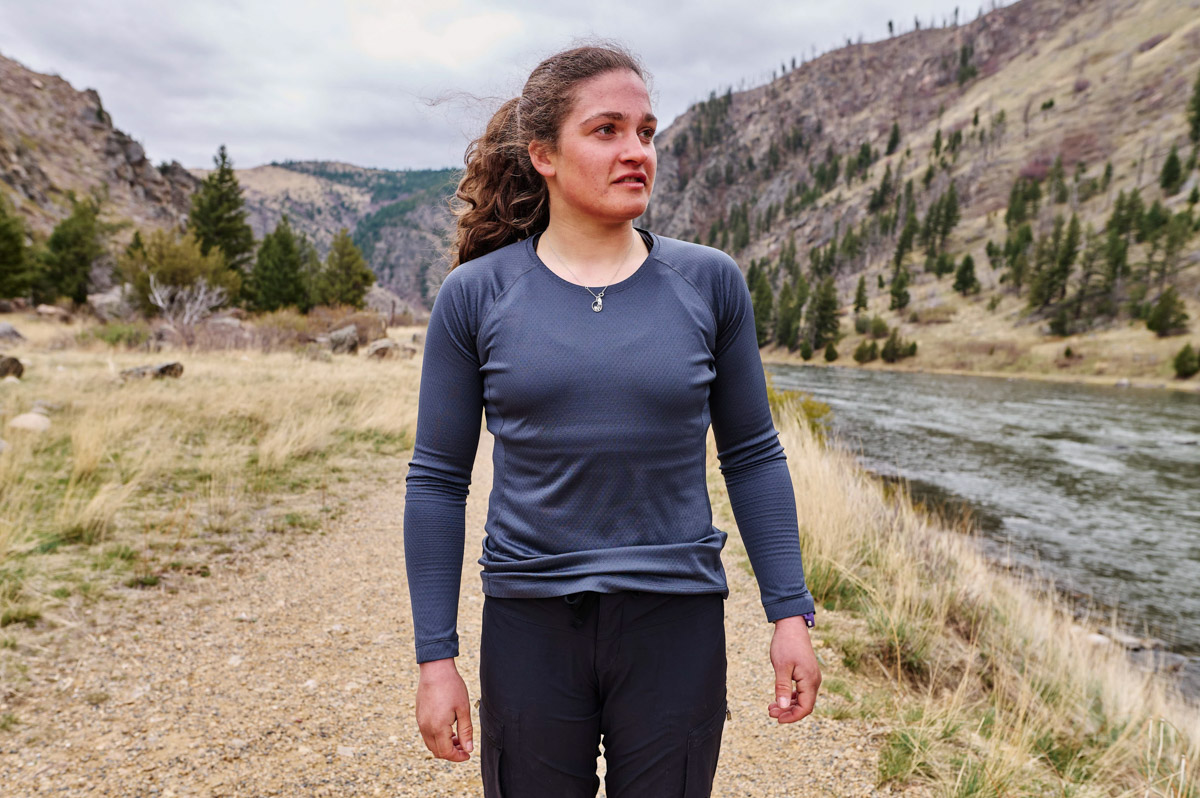
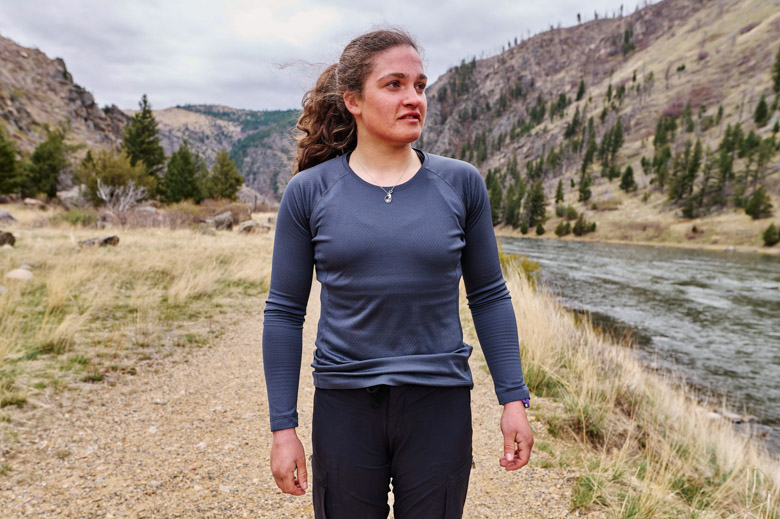
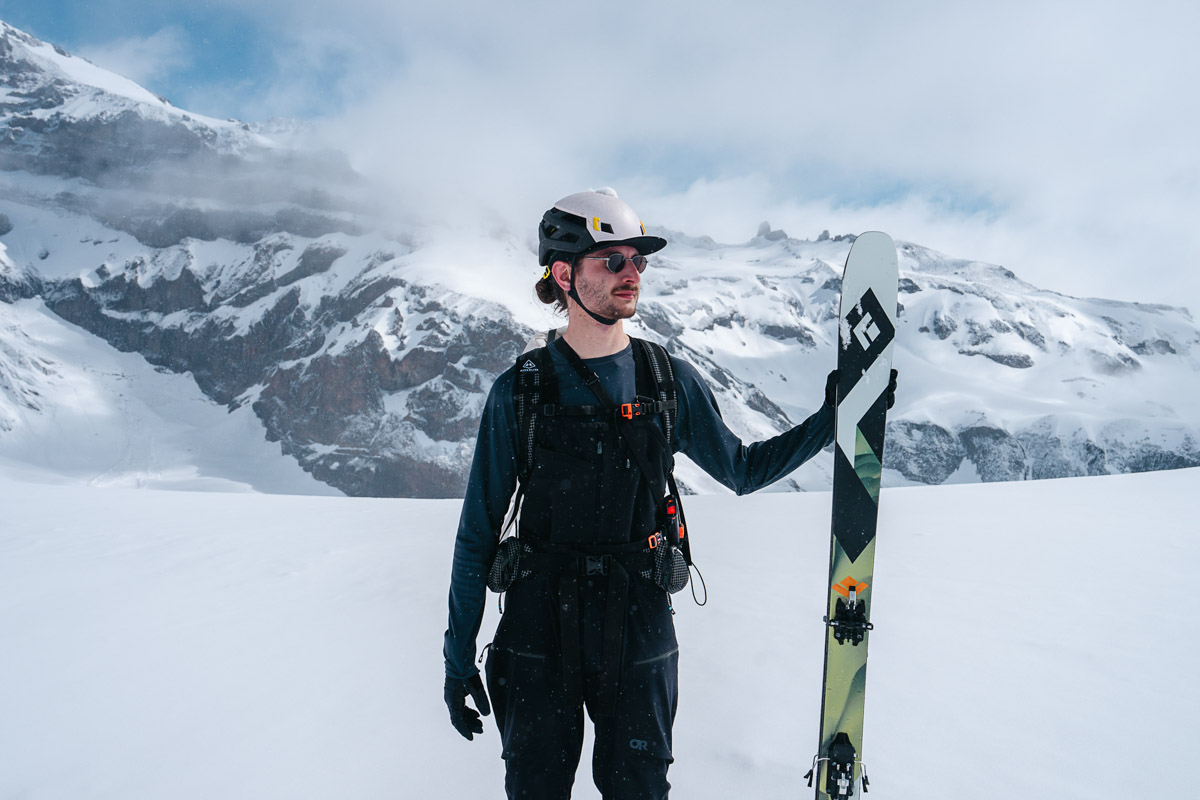
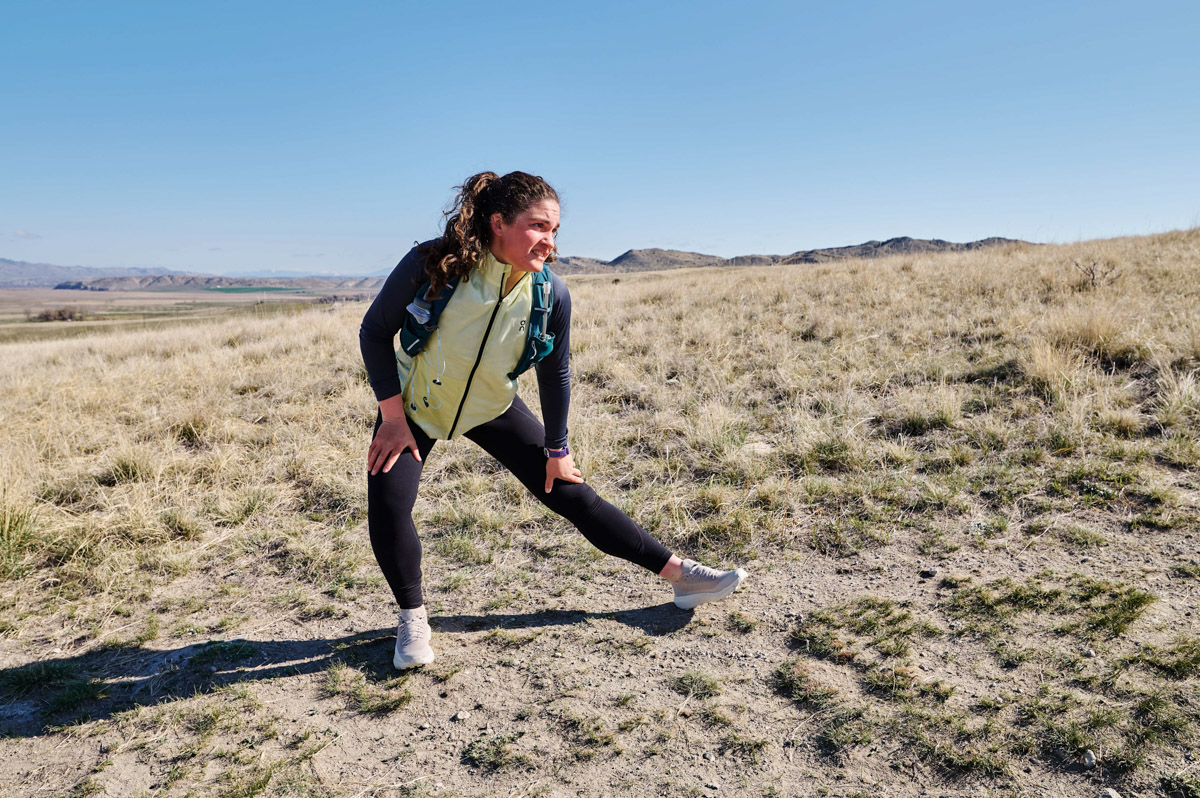
Patagonia’s Capilene series is popular among outdoor athletes for its technical slant, and the Midweight Crewneck baselayer is one of its headlining pieces. We tested the men’s Capilene Midweight on a spring ski touring trip on Mount Rainier in Washington state and the women’s while trail running and camping in the Montana high plains. For the most part, our opinions of the piece are the same: It’s an excellent choice for high output activities in cold weather. The recycled polyester fabric provides just enough warmth and wicks sweat effectively, and the athletic cut makes it easy to layer when the going gets colder. To be sure, we’re not without gripes. Most notably, we both had issues with the fit and some small concerns with durability. Below we detail our experiences with the Patagonia Capilene Midweight Crew baselayer. To learn more, see our articles on the best men’s baselayers, women’s baselayers, and our unisex baselayers review.
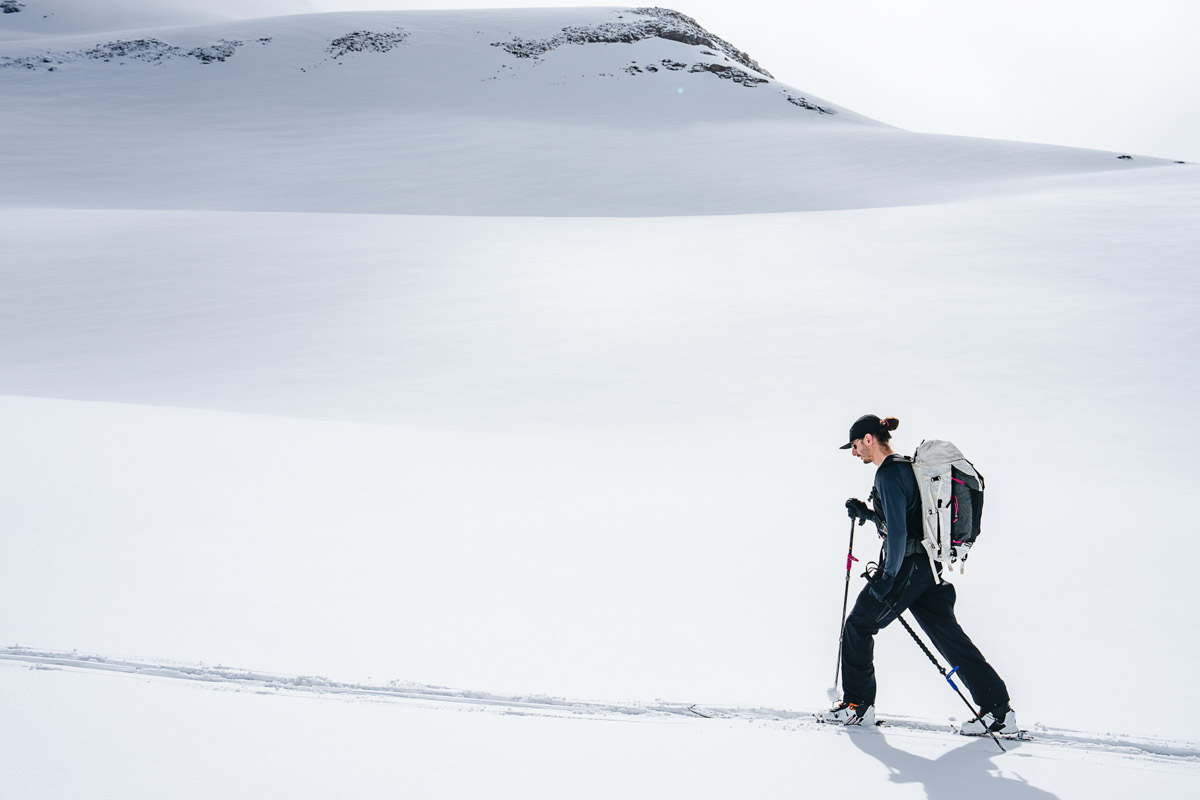
In many ways, the Patagonia Capilene Midweight Crewneck is exactly what we look for in an active baselayer: It provides a reliable barrier against the cold during low-output activities like belaying and hanging around camp, but when we pick up the pace, it effectively regulates our body temps by dumping heat and wicking sweat. When putting this baselayer to the test on ski tours throughout Washington state, we found that it prevented us from overheating on heart-racing stints up steep hills, but it also kept us from getting too cold during breaks and transitions. To be fair, we did often layer a midlayer or windbreaker overtop in very cold or windy conditions (the hollow-fiber fabric makes it especially prone to gusts), but the Capilene Midweight’s trim cut made it easy to do so.
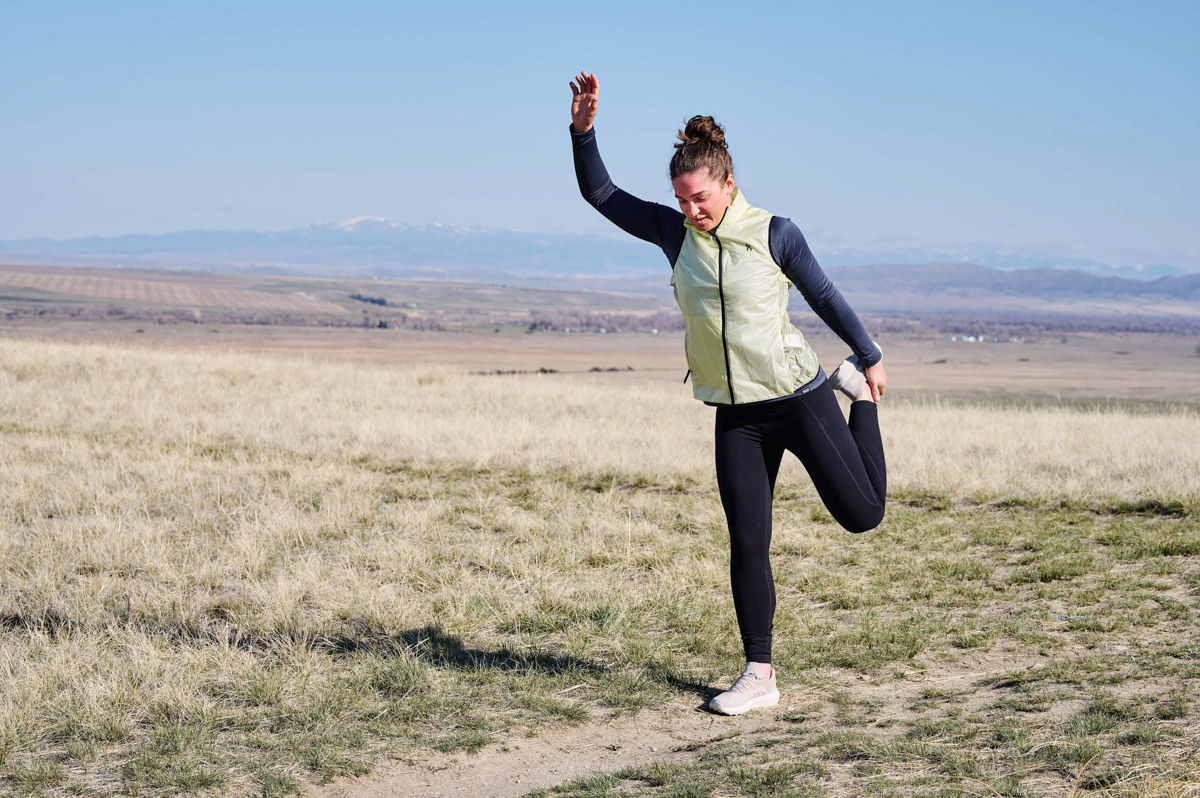
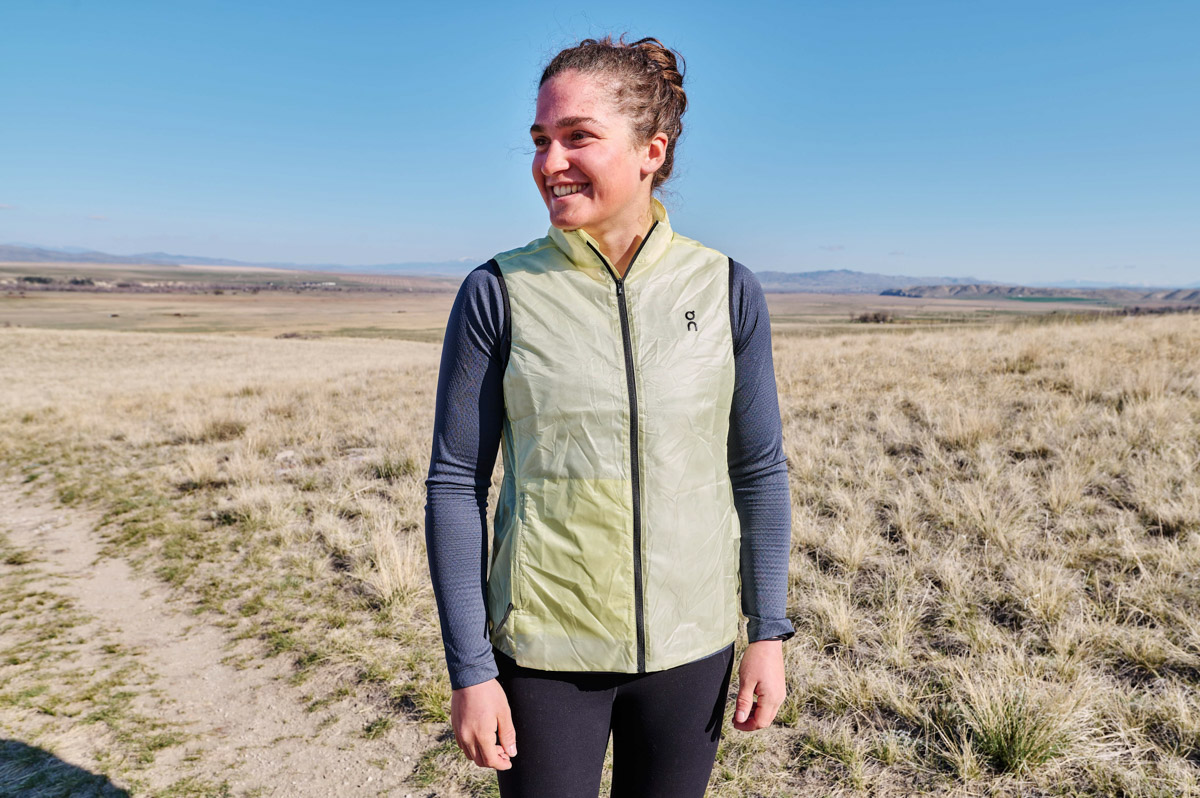
It’s also worth mentioning that we found the Capilene Midweight too warm at times, especially when recreating in mild spring temps. The “midweight” designation is accurate: Though at just 6.2 ounces (5.4 oz. for the women’s) the Capilene Midweight is just as lightweight as many sun hoodies, it traps heat much more effectively. Adam, who runs warm, found it a bit overwhelming in the spring bluebird conditions on Mount Rainier. Sofie found it comfortable when rock climbing in 50-degree temps in Squamish, but she runs a bit colder. If you run on the warmer side, it might be worth opting for a lightweight baselayer or sun hoody for shoulder season activities.
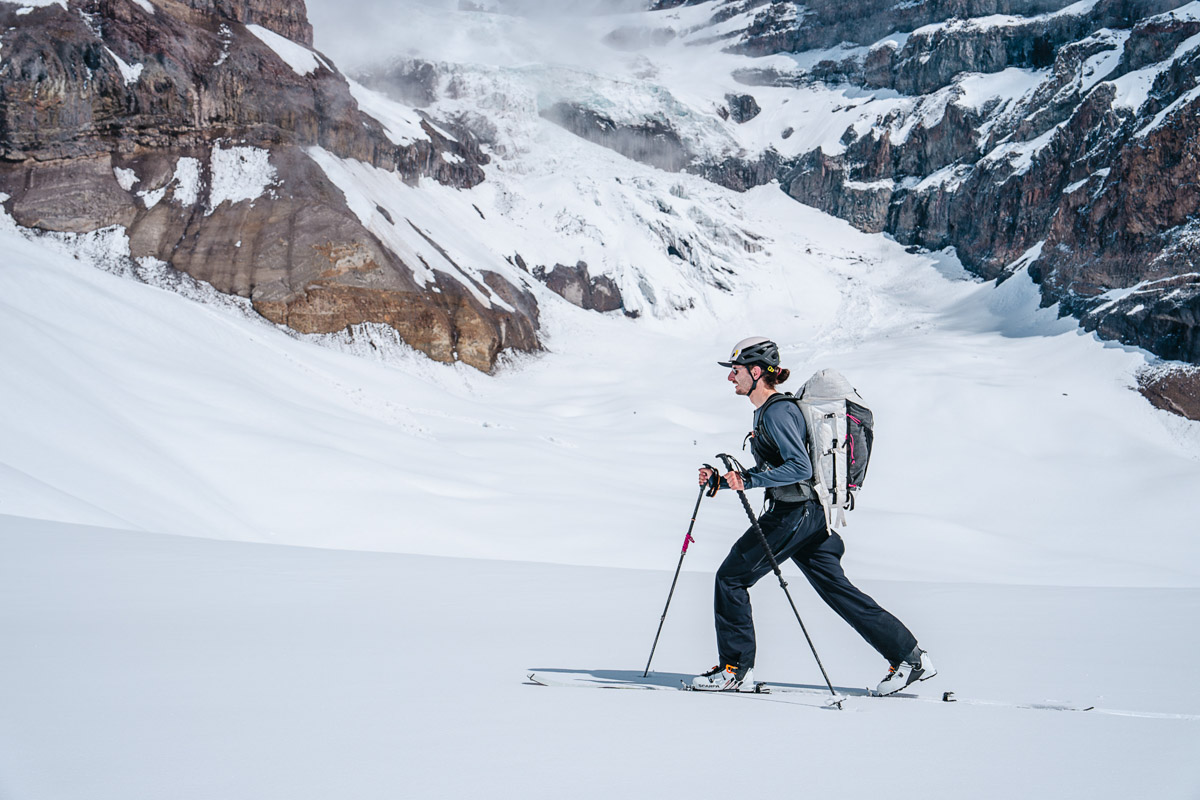
For the most part, we found the Capilene Midweight plenty breathable. As mentioned above, we did run into some issues overheating while skiing in warm spring conditions, but when recreating in cold temps, the polyester fabric effectively dumped heat when needed. In fact, when compared to merino or other types of wool baselayers, the hollow-core polyester fabric is more breathable, better at wicking sweat, and dries quickier. The trim, athletic cut also played an essential role in catching sweat before it dripped down our bodies. Despite hours of ski touring, trail running, and rock climbing, not once did we sweat out the Capilene Midweight.
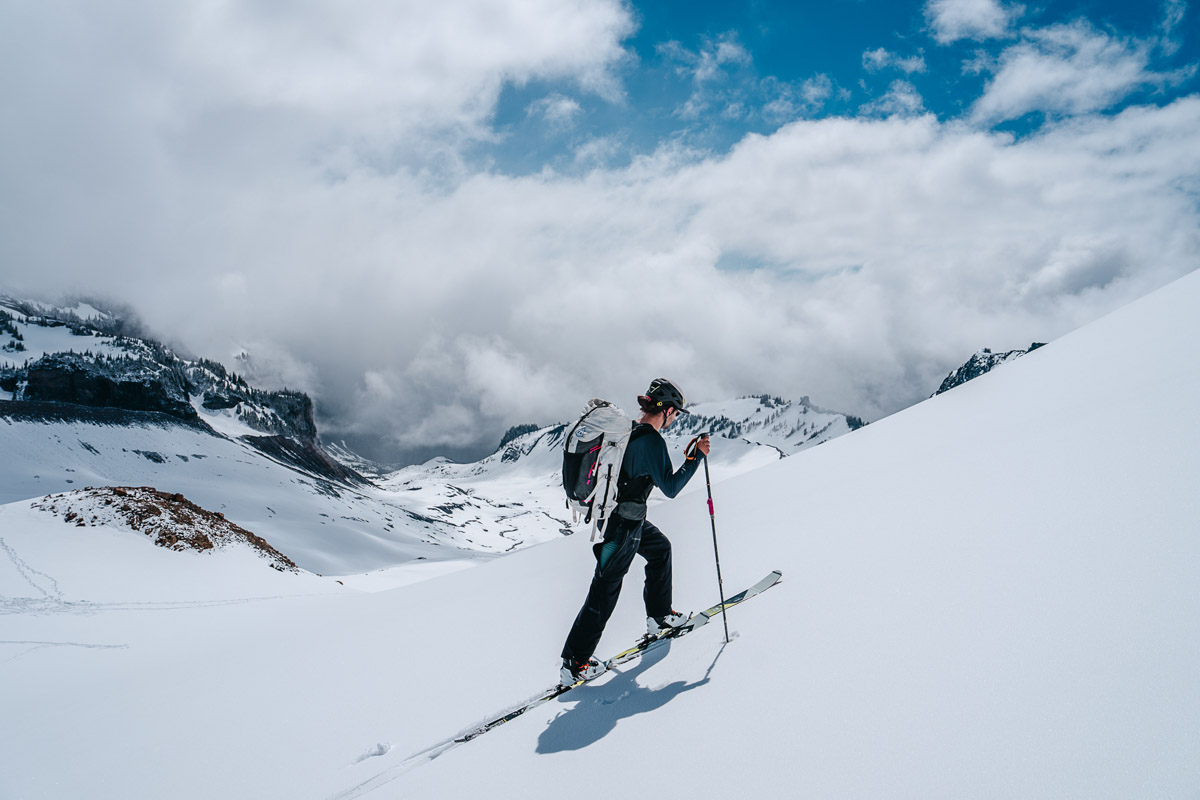
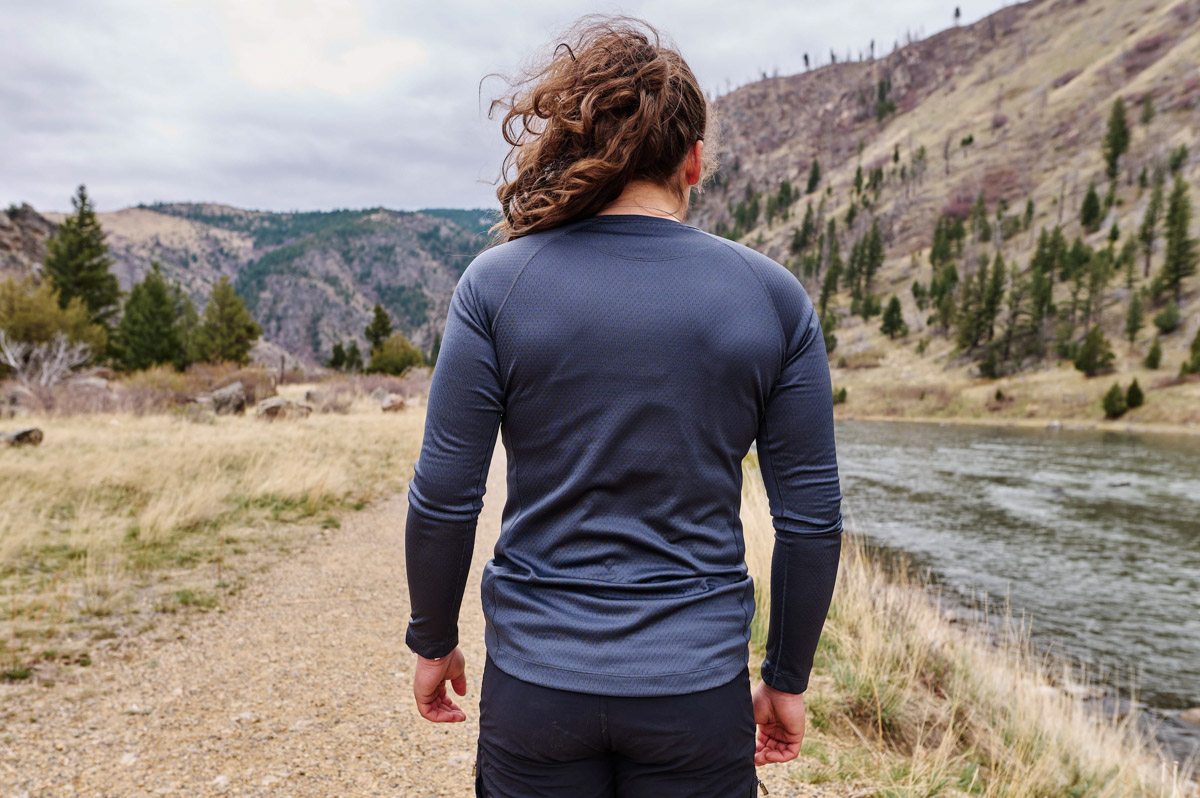
While comfort is largely a subjective topic, we had some issues with both the men’s and women’s Capliene Midweight. To start, the athletic fit is notably tight around the shoulders and upper arms, and the lack of any stretch in the fabric restricted mobility. We felt that the sleeves run a bit short on both versions as well. Sofie had a few specific gripes with the women’s version: The lower neckline left her collar bones exposed to the elements, and the tight fit around the chest felt suffocating at times.
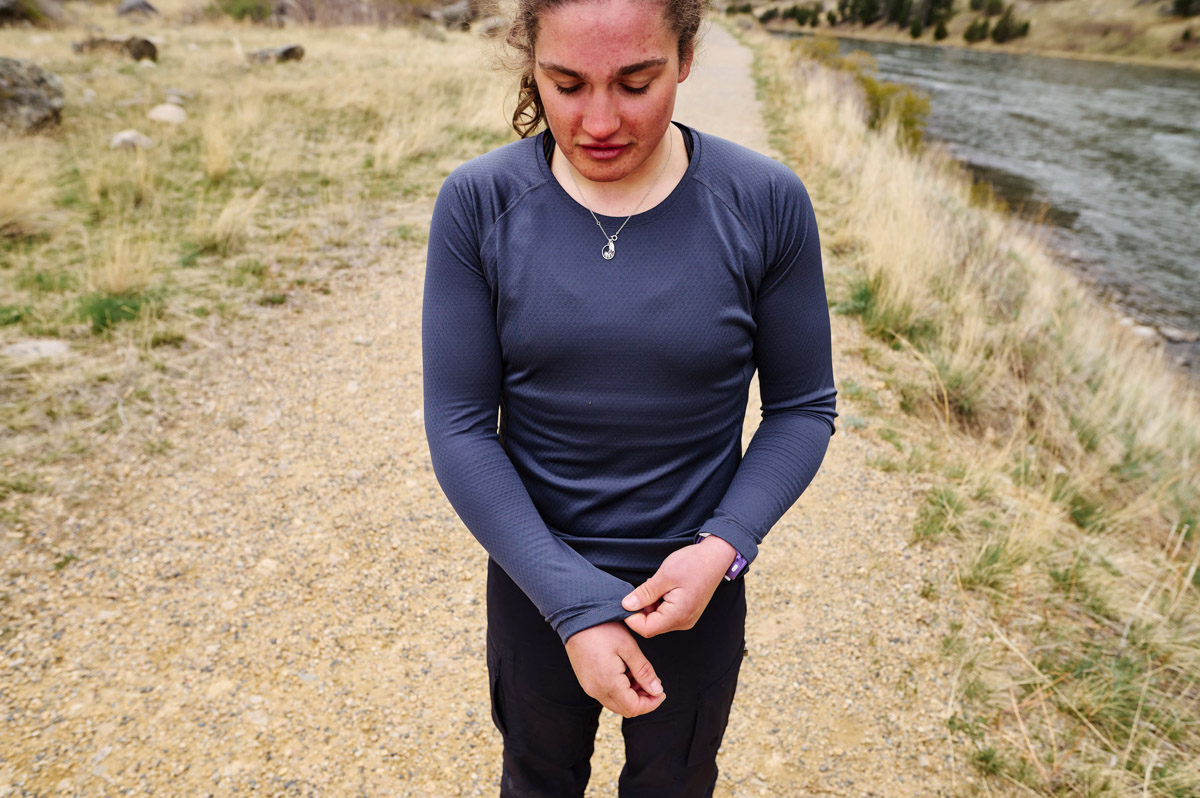
The polyester Capilene material feels smooth against the skin, though it’s not as soft as merino or other wool baselayers. It also isn’t as odor-resistant as wool layers, and despite Patagonia’s HeiQ odor control, the Capilene Midweight held a stink after high-sweat activities. It’s not all bad news here, however: We do like the underarm gussets, which prevented chafing despite the lack of fabric stretch, and the off-shoulder seams, which avoided discomfort under backpack straps. That said, we think a lot of our issues with the fit of the Capilene Midweight could be mitigated by adding a bit of elastane to the fabric, and we hope to see that in future revisions of the layer.
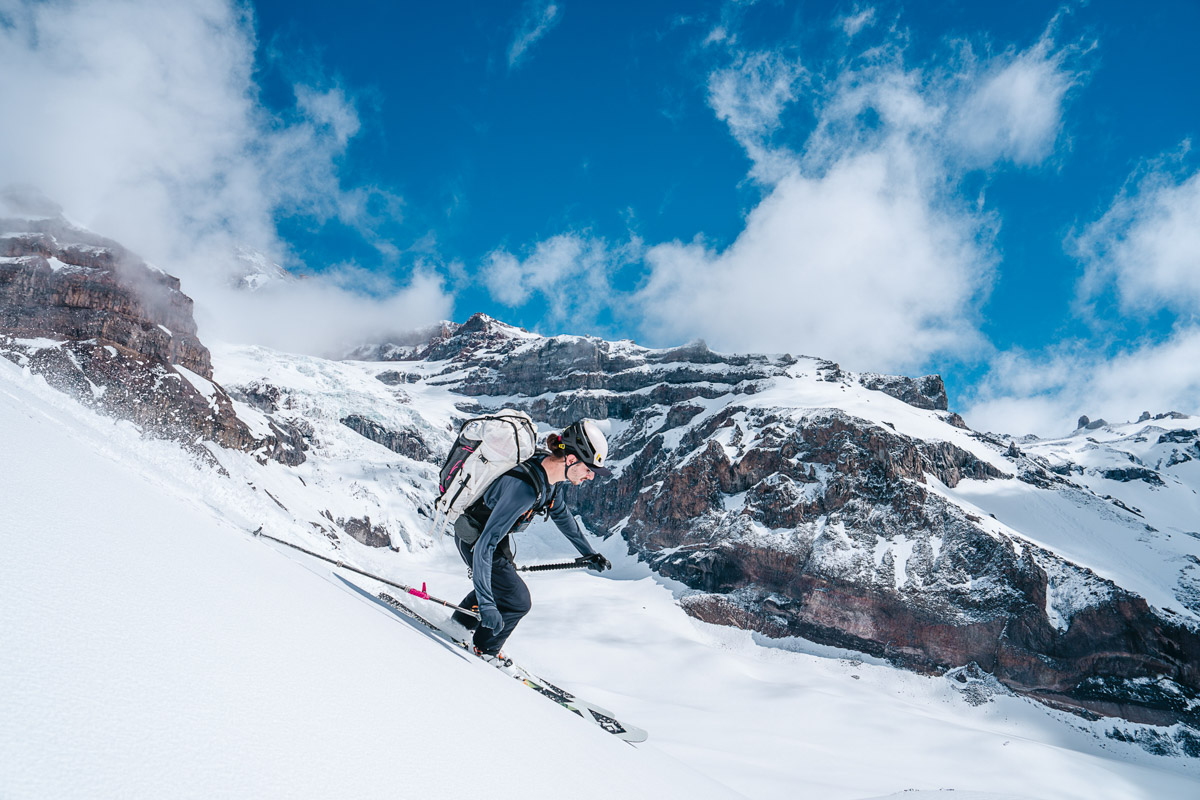
One of the major benefits in opting for a synthetic baselayer over a wool baselayer is price, and the Capilene Midweight is case in point. For reference, Smartwool’s similarly-intentioned Intraknit Active baselayer costs significantly more than the Capilene Midweight. But that doesn’t mean the Capilene Midweight is budget quality. In fact, synthetic baselayers are far less prone to wear, tear, and pilling than wool baselayers. Ours have held up well to multiple seasons of skiing, running, rock climbing, and generous washing and drying cycles with little wear to show for it.
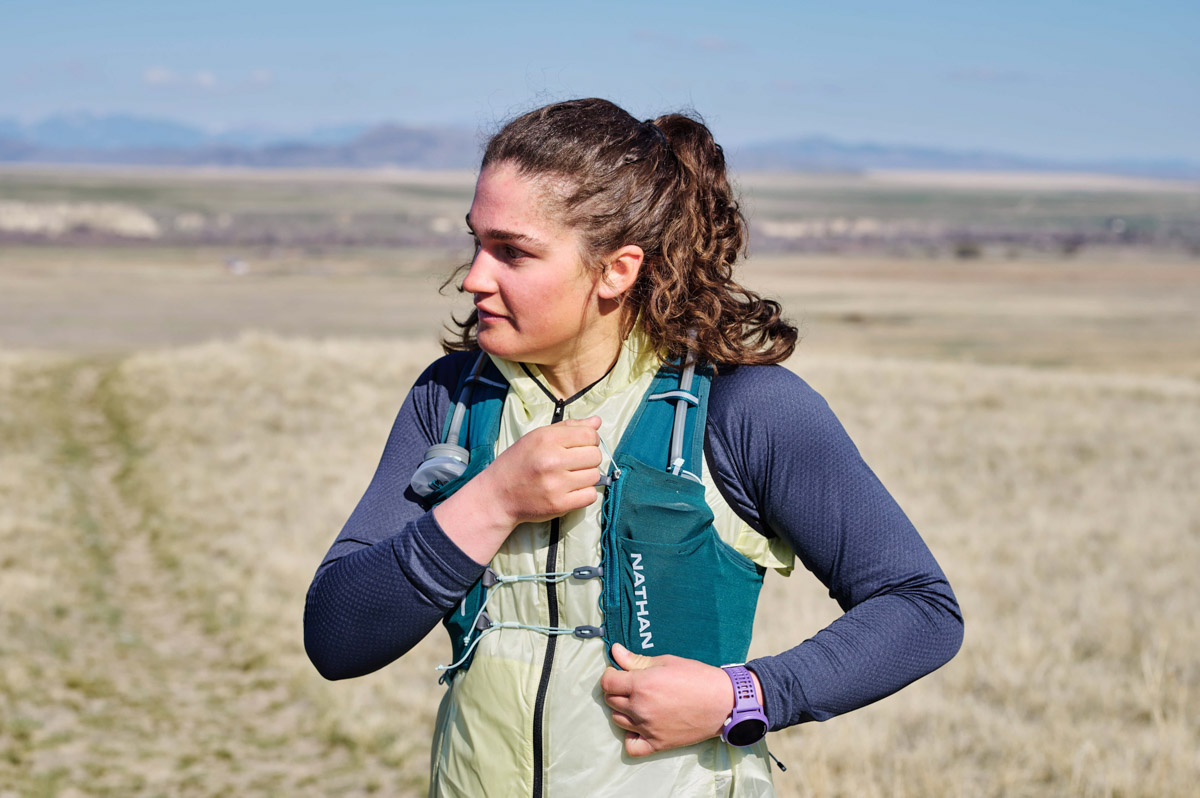
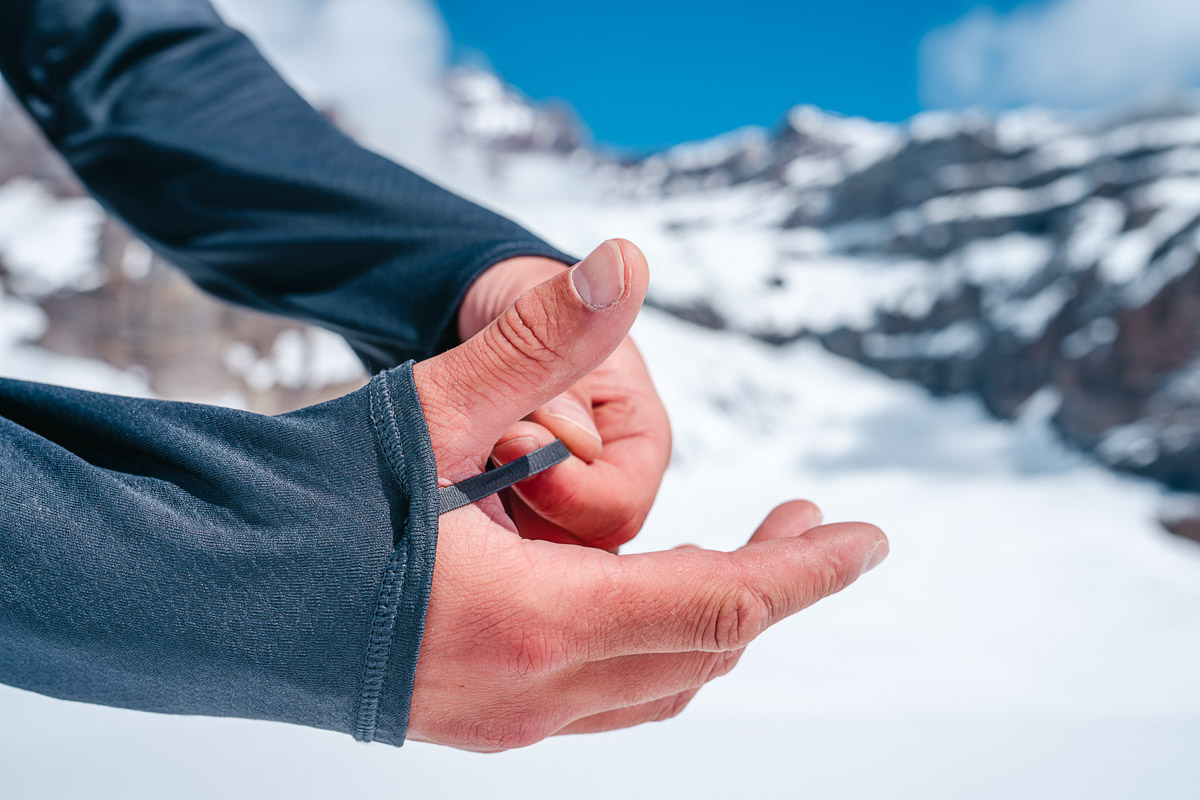
No baselayer is invincible, however, and we do have some small concerns with the durability on the Capilene Midweight. For one, the fabric seems prone to snagging, especially on abrasive rock and underbrush, though this hasn’t caused any damage for either of us yet. The thumb loops also seem particularly fragile: rather than stitching thumb loops into the sleeve fabric, Patagonia attached elastic loops to the inside of the sleeves. The loops themselves seem quite flimsy, but we’re more concerned for the integrity of the stitching that holds it all together. The short sleeve lengths put quite a lot of strain on the thumb loops, so we don’t find ourselves using them often.
As mentioned above, we found the Capilene Midweight quite restrictive when wearing. But the solution isn’t as simple as sizing up. We both felt like our normal shirt size fit us well; it’s the lack of stretch in the fabric that caused limited mobility, and sizing up wouldn’t be a perfect solution to that problem. That said, if you have wider shoulders or a larger chest, it might be worth trying on a larger size as we felt both shirts were particularly restrictive in those areas. If possible, it’d be best to try this baselayer on in person before purchasing just to ensure you find the best fit possible.
Patagonia is well known for their eco-forward ethics and sustainable manufacturing, so it comes as little surprise that the Capilene Midweight has a few notable eco-friendly details. To start, the Capilene fabric is made with 100% recycled polyester, which reduces Patagonia’s reliance on fossil fuels and plastics in production (synthetic baselayers are generally less eco-friendly than wool for this reason). This layer is also made in a Fair Trade Certified factory which meets the organization’s high standards for safe working conditions and environmental responsibility.
We tested both the men’s and women’s Capilene Midweight Crew baselayers, but Patagonia’s line doesn’t end there. Within the Midweight series, Patagonia offers a Zip-Neck top (available for women, too) and bottoms for both men and women. If you’re looking for a bit more warmth, the men’s and women’s Capilene Thermal Weight Crew is a bit heavier and features a grid fabric that traps heat more effectively than the Midweight’s hollow fiber fabric. On the lighter end, you can opt for the Capilene Cool Daily series, which consists of hoodies, t-shirts, and long-sleeved shirts.
| Baselayer | Price | Materials | Category | Weight | g/m² |
|---|---|---|---|---|---|
| Patagonia Capilene Midweight | $89 | 100% polyester | Midweight | 6.2 oz. | 147 |
| Smartwool Intraknit Thermal | $130 | 53% merino, 45% polyester, 2% elastane | Midweight | 7.3 oz. | 250 |
| REI Midweight Long Sleeve | $55 | 92% polyester, 8% spandex | Midweight | unavail. | 220 |
| Helly Hansen Lifa Active Crew | $65 | 66% polyester, 34% polypropylene | Lightweight | 9.2 oz. | unavail. |
| OR Echo Hoodie | $75 | 100% polyester | Lightweight | 5.3 oz. | unavail. |
| Baselayer | Price | Materials | Category | Weight | g/m² |
|---|---|---|---|---|---|
| Patagonia Capilene Midweight | $89 | 100% polyester | Midweight | 5.4 oz. | 147 |
| Smartwool Intraknit Thermal | $130 | 53% merino, 45% polyester, 2% elastane | Midweight | 6.4 oz. | 250 |
| REI Midweight Long Sleeve | $55 | 92% polyester, 8% spandex | Midweight | unavail. | 220 |
| Helly Hansen Lifa Active Crew | $65 | 66% polyester, 34% polypropylene | Lightweight | 5.3 oz. | unavail. |
| OR Echo Hoodie | $75 | 100% polyester | Lightweight | 3.9 oz. | unavail. |
If the Capilene Midweight doesn’t sound like exactly what you’re looking for, don’t worry; the baselayer market is flush with options to consider. The aforementioned Smartwool Intraknit Thermal Merino Crew is an excellent alternative to consider. This hybrid baselayer uses both merino wool and polyester fabric (as well as a touch of elastane) for the best of both worlds: The merino is soft and odor-resistant, and the polyester is breathable and durable. What’s more, body-mapped ventilation offers additional breathability to sweat-prone areas like the back, core, and inner arms. The biggest downside to the Intraknit is price.
If budget is a concern, it might be worth looking at REI’s Midweight Long Sleeve. For a price that undercuts even the Capilene Midweight, you get an extremely soft and mobile baselayer (REI includes a generous amount of spandex) that’s form-fitting without being restrictive. Like the Capilene, it’s extremely durable, though it holds onto stink even more. It’s also much heavier and less breathable than the Capilene, which restricts it to low-output use, like resort skiing and mid-winter hikes.
If you’re looking for something lighter, Helly Hansen’s Lifa Active Crew and Outdoor Research’s Echo Hoodie are great options to consider. Both feature incredibly lightweight and breathable constructions that are ideal for bluebird ski touring in the spring. The Lifa Active has more of an athletic cut than the Echo Hoodie, which we prefer for layering and wicking sweat, but the Echo Hoodie boasts a hood and UPF sun protection. Despite the lack of elastane in both of these layers, we found them less restrictive than the Capilene Midweight. And as a final bonus, both are cheaper than the Capilene. That said, we prefer the Capilene for colder weather activities as it’s more effective at trapping heat and regulating temperature.
Back to the Patagonia Capilene Midweight Review See Our Baselayers Guide


8dec.jpg?h=fbc67360&itok=4xWnaoWg)
Sb34c.jpg?h=fbc67360&itok=7YlKSst_)

a991.jpg?h=fbc67360&itok=SLAVOvNV)
1df8.jpg?h=fbc67360&itok=ZDD0p1aL)
e13b.jpg?h=fbc67360&itok=roLTspKI)
ec55.jpg?h=fbc67360&itok=0_jtrRCF)
.6ab1ce6.d?h=fbc67360&itok=Is1yk_6F)